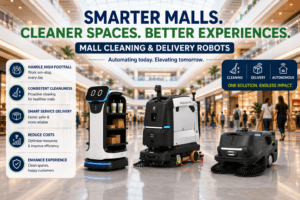
Best Mall Service and Cleaning Robots in India 2026
Mall automation robots are transforming how modern shopping malls operate in India. As malls evolve into high traffic, experience driven spaces, the need for consistent service, hygiene, and operational efficiency has become critical.
Today’s malls are no longer just retail destinations. They function as complex ecosystems that combine shopping, dining, entertainment, and social interaction. Managing these environments requires maintaining high standards across large areas while handling constant pressure from heavy footfall, peak demand periods, and rising customer expectations.
Traditional manual systems struggle to deliver consistency at this scale. Staff shortages, operational inefficiencies, and increasing hygiene demands make it difficult for mall operators to maintain performance throughout the day. This is where mall automation robots are becoming essential. They are practical, scalable solutions that automate operations, improve customer experience, and maintain cleanliness with precision.
What Are Mall Automation Robots?
Mall automation robots are autonomous service delivery and cleaning machines designed to perform operational tasks within indoor commercial environments such as shopping malls.
These robots are built to move independently using advanced navigation systems and execute predefined tasks such as delivery or cleaning. They operate safely in environments that involve constant human movement and changing conditions.
At a fundamental level, these mall automation robots are designed to replace repetitive manual processes with structured, consistent, and automated execution. They enable malls to standardize operations while improving efficiency and reliability.
Why Are Automation Robots Needed in Malls?
High Footfall and Continuous Operational Pressure
Indian malls experience extremely high and fluctuating footfall throughout the week. This becomes even more intense during weekends, festive seasons, and large sale events. Food courts, retail corridors, and entry points often see continuous congestion.
Manual systems struggle to keep up with this demand. Cleaning teams are unable to maintain consistent output, and service staff face delays in fulfilling requests. Over time, this leads to visible inefficiencies such as dirty floors, delayed service, and poor customer experience.
Mall automation robots address this by operating continuously without fatigue. They maintain consistent performance regardless of crowd size and ensure that repetitive tasks are executed without delays, even during peak hours.
Labor Dependency and High Attrition in India
Mall operations in India depend heavily on contract based and shift based labor. Roles such as cleaning staff, helpers, and runners typically have high attrition rates. This creates operational instability.
Frequent staff changes lead to repeated training requirements. Execution quality varies from person to person, and supervisors spend significant time managing people rather than improving processes.
Mall service delivery and cleaning robots eliminate this variability. They follow predefined workflows and deliver standardized output every time. This reduces dependency on individual performance and ensures consistency across all operational areas.
Rising Hygiene Expectations
Hygiene has become a key factor influencing customer perception. Visitors expect clean floors, immediate spill management, and visible sanitation efforts throughout the mall.
Manual cleaning systems are reactive and often delayed. They depend on human intervention and lack consistency in frequency and quality.
Cleaning robots provide continuous and proactive cleaning. These mall automation robots maintain uniform hygiene levels across all areas and ensure that cleaning is not limited to specific time intervals. This significantly improves customer trust and enhances the overall brand image of the mall.
Increasing Operational Costs
Managing a large mall involves significant operational expenses. Labor costs form a major part of this, along with inefficiencies caused by manual processes.
Manual operations require larger teams, supervision, and coordination. Over time, this leads to higher costs without proportional improvement in efficiency.
Such mall automation robots reduce operational costs by automating repetitive tasks. They improve productivity, reduce manpower requirements, and enable better utilization of resources. This results in improved long term return on investment.
Need for Consistent Customer Experience
Customer experience in malls is directly influenced by service quality and cleanliness. Inconsistent execution leads to dissatisfaction and negative perception.
Robots help maintain predictable service levels. They make sure faster response times and consistent execution across all areas. This enhances the overall customer experience and supports long term customer retention.
Mall Automation Robots in India – How Are They Useful?
Mall automation robots are becoming increasingly relevant in India as modern shopping malls face growing operational complexity. From managing high footfall to maintaining hygiene and ensuring smooth service flow, malls require solutions that can operate continuously and adapt to dynamic environments.
Indian malls, in particular, present unique challenges that make the use of mall automation robots not just beneficial, but essential for efficient day-to-day operations.
Dense and Dynamic Environments
Indian malls are characterized by heavy and unpredictable foot traffic. Weekends, festive seasons, and sale periods often lead to crowded corridors filled with shoppers, families, and children, making movement highly dynamic.
Mall automation robots are designed to operate safely in such environments. Using advanced sensors and real-time mapping technologies, they continuously detect obstacles, adjust their paths, and navigate without disrupting customer flow. For example, in a busy corridor, a robot can slow down, reroute, or pause as needed, ensuring safe and smooth movement even during peak hours.
Complex Multi-Zone Infrastructure
Modern malls are multi-functional spaces that include retail stores, food courts, cinemas, gaming zones, and entertainment areas, often spread across multiple floors.
Managing operations across such varied zones can be challenging. Mall automation robots simplify this by seamlessly navigating large areas without requiring structural changes. They can be deployed across different sections – from cleaning food courts to operating in corridors or assisting in service tasks across floors.
This flexibility makes mall automation robots highly effective in environments where layout complexity and operational diversity are high.
High Cleaning Demand and Continuous Hygiene Requirements
Malls experience constant footfall, which leads to continuous accumulation of dust, spills, and debris, especially in high-traffic areas like entrances, food courts, and washroom corridors.
Manual cleaning often happens at intervals, which can result in inconsistent hygiene levels. Mall automation robots address this by providing continuous or scheduled cleaning throughout the day. They ensure uniform coverage and can repeatedly clean high-traffic zones without waiting for manual intervention.
For instance, during peak hours in a food court, mall automation robots can continuously operate in the same area to manage spills and maintain cleanliness, improving overall hygiene standards.
Scalability and Operational Flexibility
Malls frequently evolve – new stores are added, layouts are modified, and spaces are restructured. Traditional systems often struggle to adapt quickly to these changes.
Mall automation robots offer high flexibility. They can be easily remapped to new layouts and redeployed across different zones without requiring infrastructure modifications. Whether the mall expands or experiences increased footfall during festive seasons, these robots can scale operations efficiently.
This makes mall automation robots a future-ready solution for malls that need to adapt quickly to changing operational demands.
Reduction in Operational Bottlenecks
In large malls, coordinating between housekeeping staff, facility management teams, and service personnel can become complex, especially during peak hours. Delays in cleaning or service response can negatively impact customer experience.
Mall automation robots help reduce these bottlenecks by handling repetitive and time-sensitive tasks independently. They ensure that essential operations such as cleaning and basic service support continue seamlessly, even when staff are occupied elsewhere.
Enhanced Customer Experience and Modern Appeal
Mall automation robots also contribute to how customers perceive the mall environment. A clean, well-maintained, and technologically advanced space creates a positive and lasting impression.
When customers see robots actively operating within the mall, it reinforces a sense of efficiency, hygiene, and innovation. This not only enhances the shopping experience but can also increase customer engagement, dwell time, and repeat visits.
How Mall Service Delivery Robots Work
| Function | Purpose |
|---|---|
| Task Assignment | Enables structured workflow initiation by assigning delivery or service tasks through a central system, tablet, or POS integration. This ensures tasks are clearly defined, prioritized, and traceable, reducing dependency on manual coordination and eliminating communication gaps between staff and operations. |
| Route Planning | Allows the robot to map the environment and calculate the most efficient path to the destination. This minimizes travel time, avoids congestion-prone areas, and ensures optimized movement across large mall layouts, improving overall delivery efficiency. |
| Autonomous Navigation | Enables the robot to move independently within dynamic mall environments. Using sensors and real-time data, it avoids obstacles such as people, kiosks, and carts, ensuring safe and uninterrupted operation even during peak footfall. |
| Task Execution | Ensures accurate completion of the assigned task at the destination. This includes delivering items, notifying the recipient through audio or display, and enabling interaction if required. It improves service reliability and reduces human error in delivery processes. |
| Return and Reassignment | Allows the robot to either return to its base station or automatically take on the next assigned task. This ensures continuous utilization of the robot, reduces idle time, and maximizes operational productivity across multiple service cycles. |
How Mall Cleaning Robots Work
| Function | Purpose |
|---|---|
| Area Mapping | Establishes predefined or dynamic cleaning routes based on high priority zones such as food courts, corridors, and entrances. This ensures complete coverage of large areas and avoids missed spots, enabling systematic and planned cleaning operations. |
| Cleaning Execution | Performs multiple cleaning functions such as scrubbing, sweeping, vacuuming, and mopping in a single workflow. This ensures consistent cleaning quality across different surface types and reduces the need for multiple manual cleaning processes. |
| Real Time Adaptation | Allows the robot to detect obstacles such as people, furniture, or temporary obstructions and adjust its path instantly. This ensures uninterrupted cleaning operations in crowded environments and prevents operational delays. |
| Continuous Operation | Enables the robot to clean throughout the day without fatigue. This ensures that high traffic areas remain consistently clean, rather than relying on periodic manual cleaning, which often leads to visible gaps in hygiene. |
| Automated Maintenance | Allows the robot to return to its docking station for charging, water refilling, and waste disposal. This reduces manual intervention, ensures readiness for the next cleaning cycle, and maintains consistent operational uptime. |
Best Mall Automation Robots
PuduBot 2
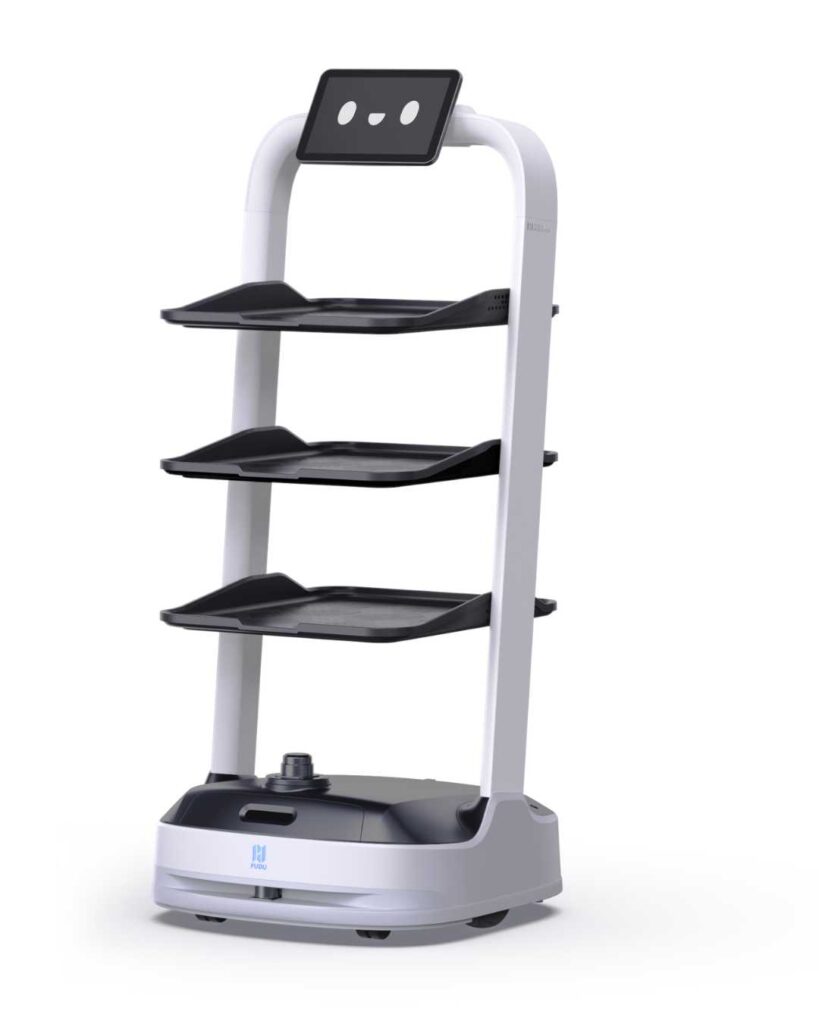
PuduBot 2 is a high-efficiency autonomous robot, designed specifically for complex indoor environments with high traffic and dynamic movement, such as shopping malls. It is built to handle continuous delivery operations with stability, accuracy, and scalability.
The robot is equipped with advanced navigation systems that allow it to move seamlessly through crowded corridors, food courts, and retail zones. Its multi-layer tray system enables it to handle multiple delivery tasks in a single run, significantly improving operational efficiency.
PuduBot 2 is particularly effective in environments where speed, reliability, and volume handling are critical.
How PuduBot 2 Functions Efficiently in a Mall Setting
- Handles multi-point deliveries across food courts, reducing staff movement
- Enables quick service turnaround, especially during peak hours
- Optimizes internal logistics by moving items between outlets
- Reduces congestion at service counters by decentralizing delivery
- Ensures consistent service quality regardless of staff availability
In Indian malls where food courts are often overcrowded and service delays are common, PuduBot 2 helps create a structured and predictable delivery system.
Technical Specifications of PuduBot 2
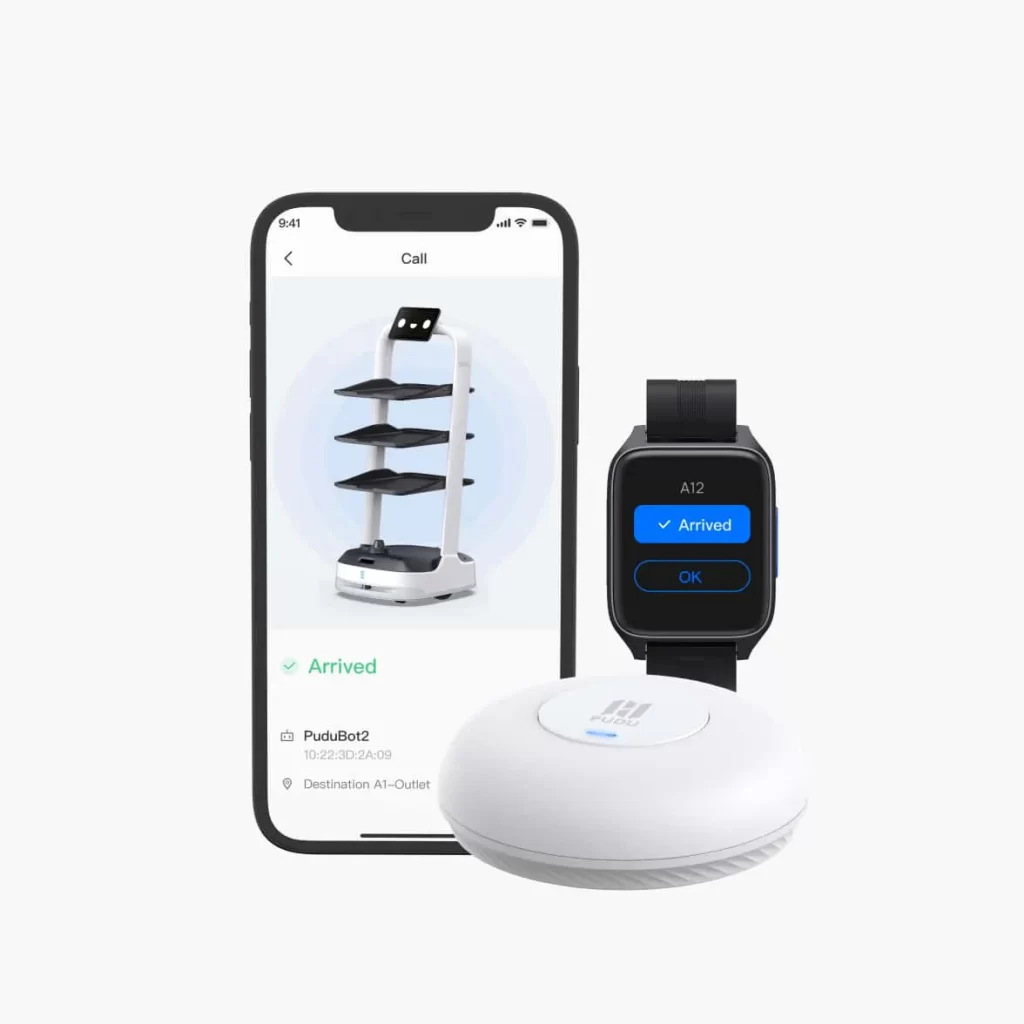
| Parameter | Specification |
|---|---|
| Navigation System | LiDAR based SLAM navigation |
| Payload Capacity | Up to 40 kg |
| Tray Levels | Multi layer adjustable trays |
| Battery Life | Up to 10 to 12 hours |
| Charging Time | Approximately 4 hours |
| Speed | Up to 1.2 m per second |
| Obstacle Avoidance | Multi sensor fusion system |
| Display | Touchscreen interface |
| Connectivity | WiFi enabled |
BellaBot
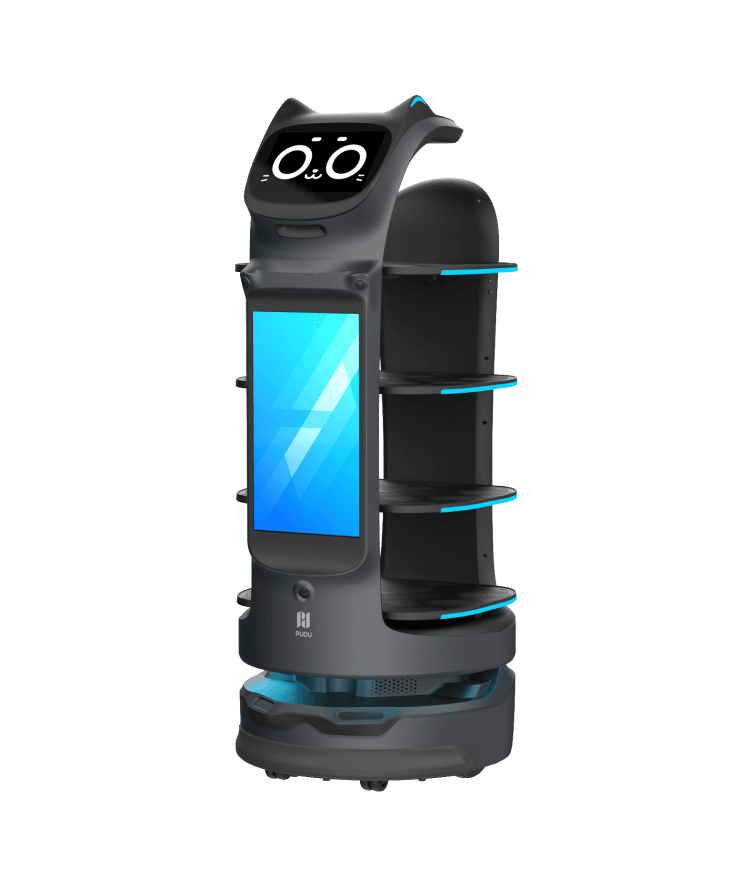
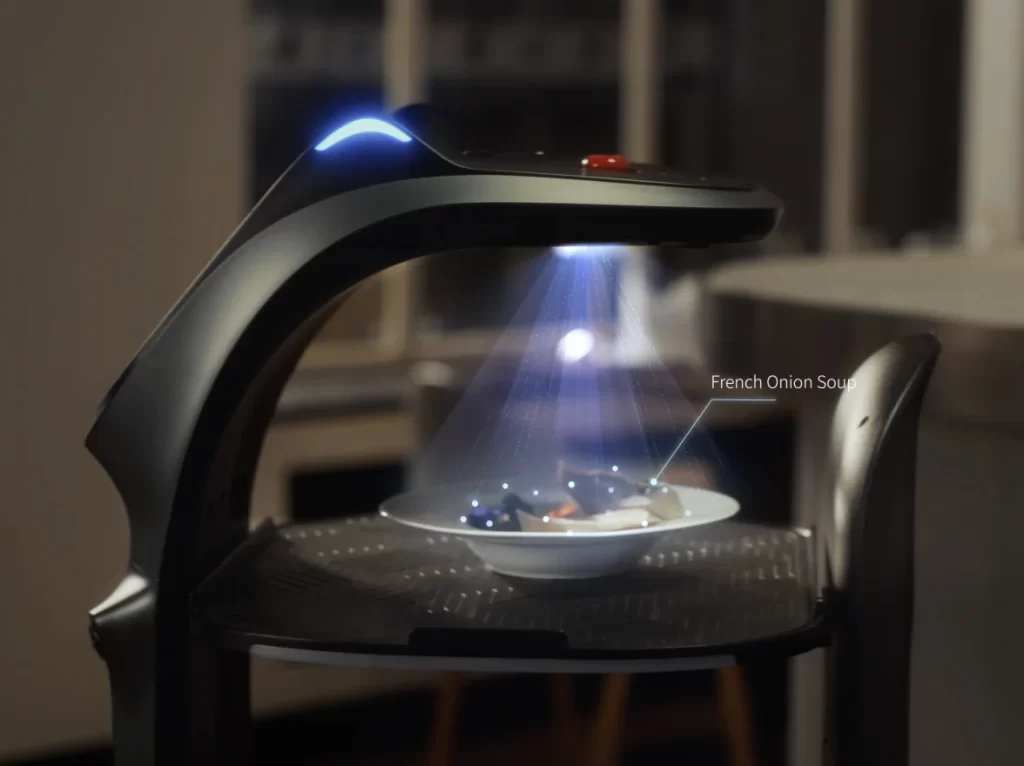
BellaBot is an advanced mall automation robot designed to combine delivery functionality with customer engagement. It is widely recognized for its interactive capabilities, making it ideal for customer facing environments.
Unlike traditional delivery robots, BellaBot focuses on enhancing the overall experience by integrating:
- Voice interaction
- Visual engagement
- Smart service delivery
Its design and interface make it highly suitable for premium mall environments where experience and engagement are as important as efficiency.
How BellaBot Functions Efficiently in a Mall Setting
- Enhances customer interaction at food courts and entrances
- Acts as a brand engagement tool for promotions and campaigns
- Improves customer satisfaction through interactive service
- Reduces dependency on staff for basic assistance
- Creates a unique and memorable in-mall experience
In Indian malls, where customer experience plays a key role in footfall retention, BellaBot helps create a differentiated and modern retail environment.
Technical Specifications of BellaBot
| Parameter | Specification |
|---|---|
| Navigation System | LiDAR and visual SLAM |
| Payload Capacity | Up to 30 kg |
| Tray Levels | Multi layer trays |
| Battery Life | Up to 10 hours |
| Charging Time | 4 to 5 hours |
| Speed | Up to 1 m per second |
| Interaction | Voice and touch interaction |
| Display | Large interactive display |
| Connectivity | WiFi enabled |
CC1 Pro
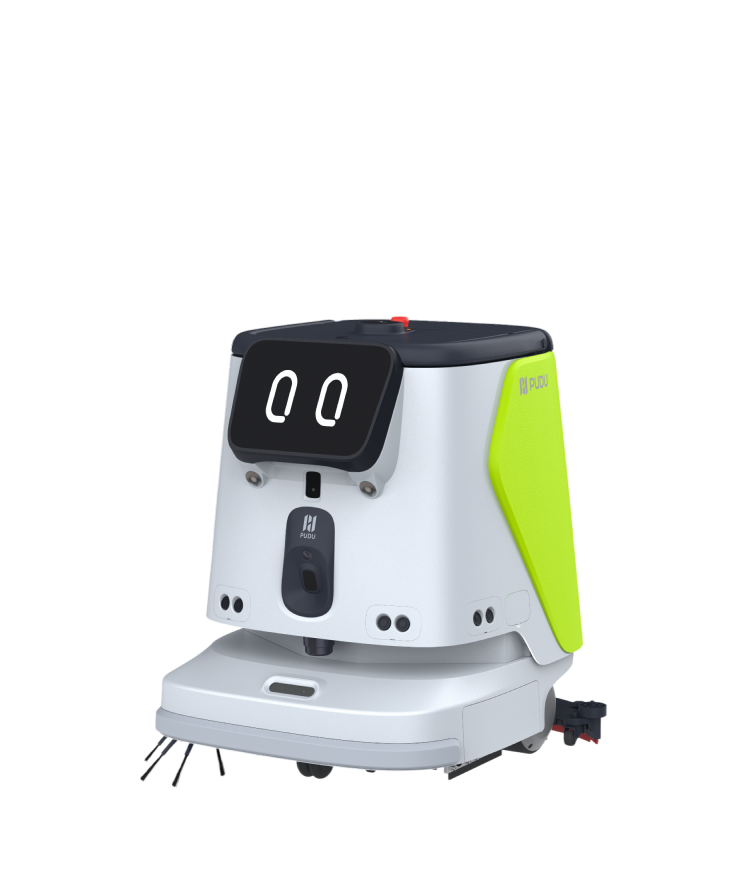
CC1 Pro is an advanced mall automation robot designed for precision indoor cleaning in commercial environments. It integrates multiple cleaning functions into a single system, allowing it to perform comprehensive cleaning tasks efficiently.
It is particularly suited for areas that require consistent cleanliness and high hygiene standards, such as mall corridors, entrances, and food courts.
CC1 Pro is built to deliver uniform cleaning results with minimal human intervention, making it ideal for large indoor spaces.
How CC1 Pro Functions Efficiently in a Mall Setting
- Maintains continuous cleanliness in high traffic zones
- Ensures immediate response to spills and dirt accumulation
- Reduces reliance on manual cleaning teams
- Provides consistent cleaning quality across all areas
- Supports hygiene compliance through structured cleaning cycles
In Indian malls where dust and footfall are high, CC1 Pro ensures that floors remain clean throughout the day without visible gaps.
Technical Specifications of CC1 Pro
| Parameter | Specification |
|---|---|
| Cleaning Functions | Scrubbing, sweeping, vacuuming, mopping |
| Cleaning Width | Approx. 500 to 700 mm |
| Water Tank Capacity | Clean and dirty water tanks |
| Battery Life | Up to 6 to 8 hours |
| Charging Time | 3 to 4 hours |
| Navigation | AI based autonomous navigation |
| Obstacle Detection | Multi sensor system |
| Coverage Area | Large indoor areas |
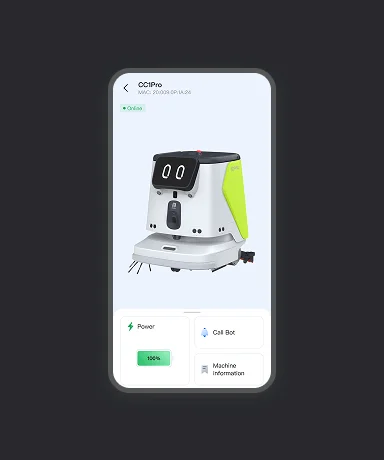
| Control System | App and dashboard based |
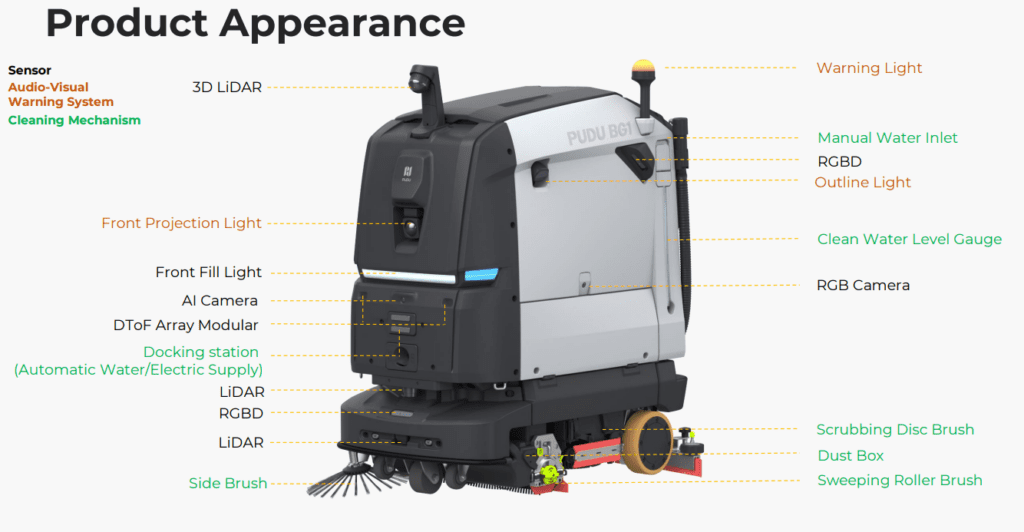
BG1 Pro
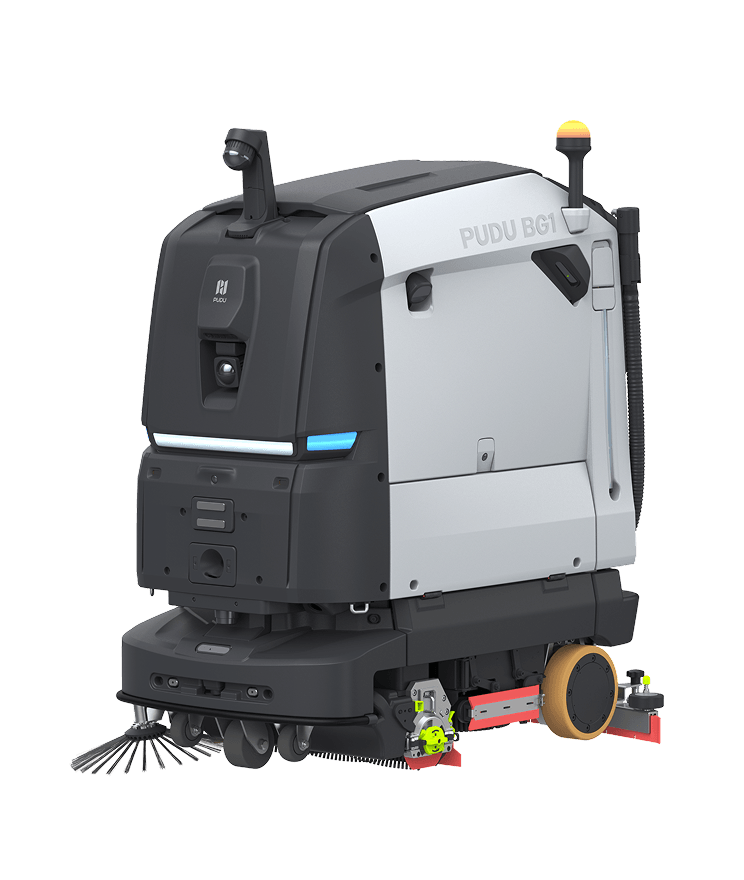 BG1 Pro is a heavy duty autonomous cleaning robot designed for large scale and high intensity cleaning environments. It is built to handle areas that require deep cleaning and high pressure scrubbing.
This mall automation robot is particularly effective in zones such as:
- Parking areas
- Basements
- Large open spaces
BG1 Pro is designed to deliver industrial grade cleaning performance, making it suitable for challenging environments where standard cleaning solutions are insufficient.
How BG1 Pro Functions Efficiently in a Mall Setting
- Cleans large parking and basement areas efficiently
- Removes oil stains, dust, and heavy debris
- Covers large areas in a single operation cycle
- Reduces manual labor in physically demanding tasks
- Ensures safety by maintaining clean and slip free surfaces
In Indian malls, where parking areas are often neglected or difficult to maintain, BG1 Pro provides a reliable and scalable cleaning solution.
Technical Specifications of BG1 Pro
| Parameter | Specification |
|---|---|
| Cleaning Type | Heavy duty scrubbing |
| Brush Pressure | High pressure cleaning system |
| Coverage Capacity | Up to 10000 square meters per cycle |
| Battery Life | Long duration industrial battery |
| Charging Time | 4 to 5 hours |
| Navigation | Autonomous navigation system |
| Water Tank Capacity | Large capacity tanks |
| Operation Mode | Autonomous and manual |
| Application Areas | Indoor and semi outdoor |